
BLOG
When the Days Get Shorter: How the Season Shapes Community Safety
Originally published on October 30, 2026, by Lisa Dacres, the Marketing Manager at Weatherspoon Security.
The clocks fell back on Sunday, and with them came the season that asks the most of the communities we protect. Shorter days, colder nights, and the pressure of the holidays change how people use a property and who is on it after dark.
For property managers, developers, and residents, the months between now and early spring bring a familiar set of risks: more early-evening crime, residents and staff quietly struggling, vacant units that start to look like shelters, and rising substance use and theft. None of these are inevitable. Each one responds to attention, lighting, presence, and a plan.
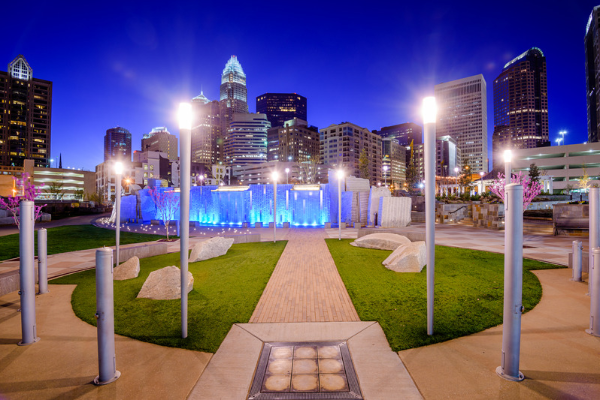
Darkness gives crime cover
Researchers at Cornell and the University of Virginia studied crime data from 558 U.S. jurisdictions and found that reported robberies rise about 7% when daylight saving time ends each fall (Cornell Chronicle). The effect is sharpest in the hour right after sunset, when people are walking to their cars, coming home, or leaving work. Darkness makes it easier to approach unseen and harder for witnesses to identify anyone.
That early-evening window, roughly 5 to 7 p.m., is now the busiest time on most of our properties. Residents return to apartment communities, employees leave commercial buildings, and crews close out construction sites, all after dusk. The same research found that extra light during that hour cut robberies by 27% without simply pushing crime to another time of day (WestEd study summary). Lighting is not cosmetic. It is one of the most cost-effective deterrents a property has.
The quieter risk: isolation and seasonal depression
Shorter days affect more than crime rates. Seasonal affective disorder, a form of depression tied to reduced daylight, affects an estimated 1% to 10% of people, with rates climbing the farther north you go (Ohio State Wexner Medical Center). Women experience it about four times as often as men, and adults 18 to 30 are most affected. Add holiday financial strain, grief, and loneliness, and many people carry more this time of year than they show.
On a property, this can look like a resident who stops leaving their unit, mail piling up, a neighbor who seems withdrawn, or rising tension that turns into disputes. Officers and site staff are often the first to notice. A friendly check-in, a call to the property manager, or a referral to community resources can matter more than any patrol. Anyone in crisis can call or text 988, the Suicide and Crisis Lifeline, any time.
Vacant units start to look like shelter
When temperatures drop, empty spaces become targets. Vacant apartments, homes between tenants, unfinished buildings, and construction trailers all offer a way out of the cold. Charlotte has seen it firsthand: Ballantyne neighbors reported that squatters took over a vacant rental home one winter and lived there for months before they were removed, leaving the property trashed (WCNC).
Prevention is far easier than removal. In North Carolina, owners generally cannot remove an unauthorized occupant on their own; it usually takes written notice and a formal summary ejectment filing with the Clerk of Court (Charlotte Easy Home Sales). That process takes time and money. Regular inspections, secured entry points, posted no-trespassing signs, and a property that looks lived in all signal that someone is watching (Innago). For owners, a short legal consultation before winter is time well spent.
Substance use rises with the cold
Cold weather and holiday stress both raise the risk of overdose. A Brown University team found a 25% increase in fatal opioid overdoses following periods of freezing temperatures (ENN, reporting on Brown University research). People also move indoors to use, which means stairwells, laundry rooms, parking decks, and vacant units on our properties.
There is real progress locally. Mecklenburg County recorded at least 279 fatal overdoses in 2024 (WFAE), but the county has since reported a 16% decline in overdose deaths and a 22% drop in MEDIC overdose calls (Mecklenburg County). Wider access to naloxone (Narcan), which the county has expanded sharply since 2023, is a big part of that story. Keeping naloxone on site and knowing how to use it can turn a tragedy into a save.
Holiday theft follows the deliveries
The holidays bring more packages, more cars full of gifts, and longer stretches when job sites sit empty. A 2026 Security.org survey found that three in 10 American adults have had a package stolen, and the average adult expects 28 deliveries between October and December (Security.org). In apartment communities, that means crowded mailrooms and front doors that need watching.
Charlotte’s numbers are improving, with larcenies from vehicles down 26% through September (CMPD), but the season still invites opportunity. Construction sites face their own risk during holiday shutdowns, when tools, materials, and equipment can sit unattended for days.
A winter readiness checklist for property managers
- Walk the property at dusk and replace burned-out or dim lights in parking areas, breezeways, entrances, and mailrooms
- Confirm cameras capture clear footage in low light
- Inspect and secure every vacant unit weekly, and log each visit
- Lock down stairwells, laundry rooms and other common areas after hours where possible
- Keep naloxone on site and make sure staff know where it is
- Set up secure package handling or delivery lockers ahead of peak season
- Secure tools, materials and equipment on construction sites before holiday shutdowns
- Share mental health and crisis resources, including 988, with residents and staff
- Review evening and holiday coverage with your security provider
The season will change on schedule. How prepared a community is for it is up to us. If you’d like to review lighting, patrols, or vacant-unit checks at your property this winter, reach out for a site assessment today!
Sources
- Cornell Chronicle: Fall back and watch out
- WestEd: Under the Cover of Darkness study summary
- Ohio State Wexner Medical Center: How common is seasonal affective disorder?
- WCNC: Squatters take over vacant Ballantyne home
- Charlotte Easy Home Sales: NC eviction process
- Innago: North Carolina squatter’s rights
- ENN: Cold weather and fatal opioid overdoses
- WFAE: Charlotte overdose awareness vigil
- Mecklenburg County: Drop in overdose deaths
- Security.org: 2026 Package Theft Report
- CMPD: Third Quarter Report